LMAO
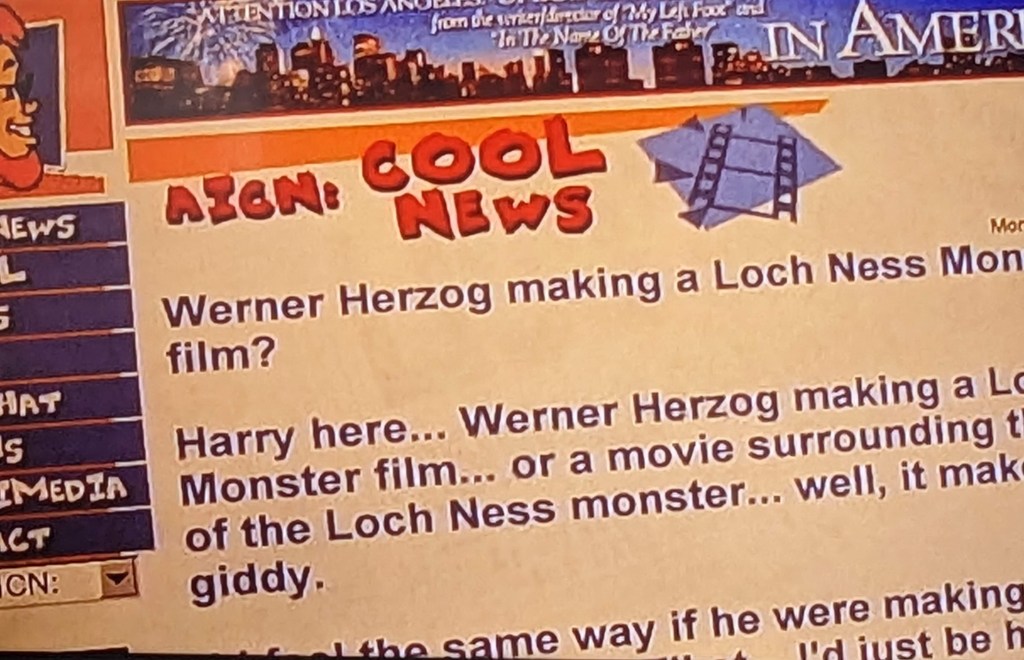

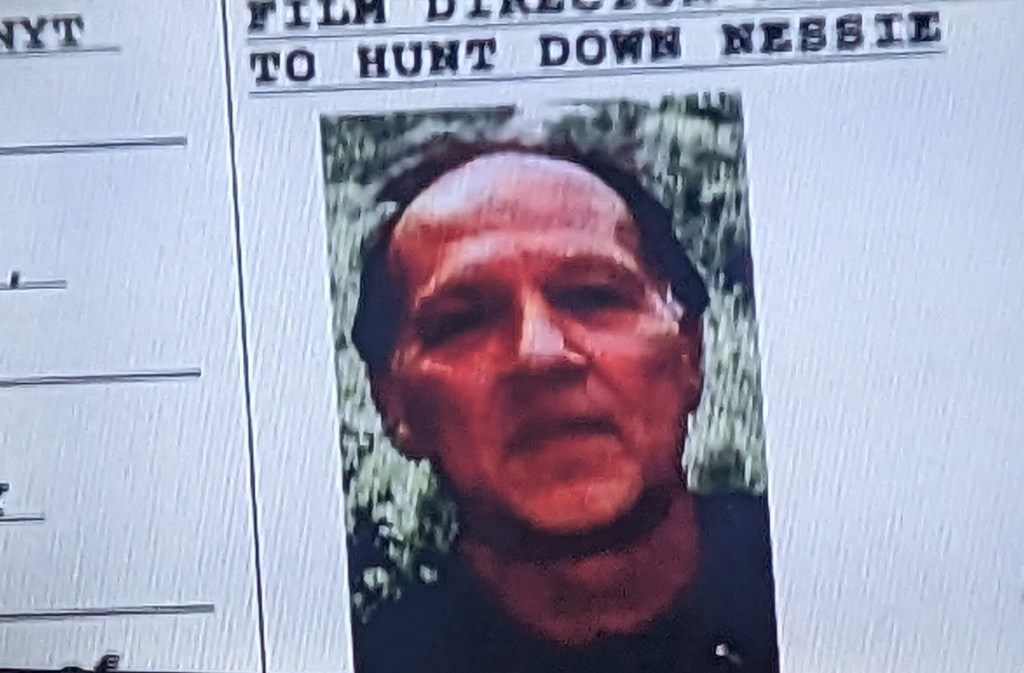
LMAO
“At Family Romance, we are not allowed to love or be loved.”
Are illusions as or more fulfilling, than reality? The illusions of relationships mediated by whatever mechanisms available in modernity, such as commerce and the internet – and how those illusions compose a heartbreaking, alienated reality. As Herzog says in the post-film zoom interview, “Everything is not true, but is strangely, true enough… it makes us examine what is illusory and performative in our own lives.”
In the interview, Herzog also refers to his walk from Munich to Paris to save Lotte Eisner’s life. It is both striking and strange, especially as I just watched Selfportrait to which this walk is central, to see how this one event has so deeply pervaded the grand philosophy Herzog is probing.
Though this is a vastly different setting and theme from previous films, the music of previous films is reproduced here: composed by Ernst Reijseger, with the voice of Mola Sylla, and the twisty strings. I found an incredible post about the history of Herzog’s music from the blog In Sheep’s Clothing:
Werner Herzog’s very first film: of madness in the void, and the beginning of the strange theme of chicken hypnosis.
An unpublished, unreleased chicken incident apparently happens in one of Herzog’s earliest films, Game of Sand, where a chicken is buried up to it’s neck.
This is Werner Herzog’s 25th film, made in 1986. From the 9 comments on YouTube, it’s clear that this film is grossly overlooked and is essential viewing for every Herzog enthusiast.
This film contains the basis for the philosophical throughlines of his work and life:
Free on YouTube:

The indifference of progress. On YouTube, the film running time is just over 10 minutes. Probably the most depressed I have felt watching any of Herzog’s films except “Lessons of Darkness.”

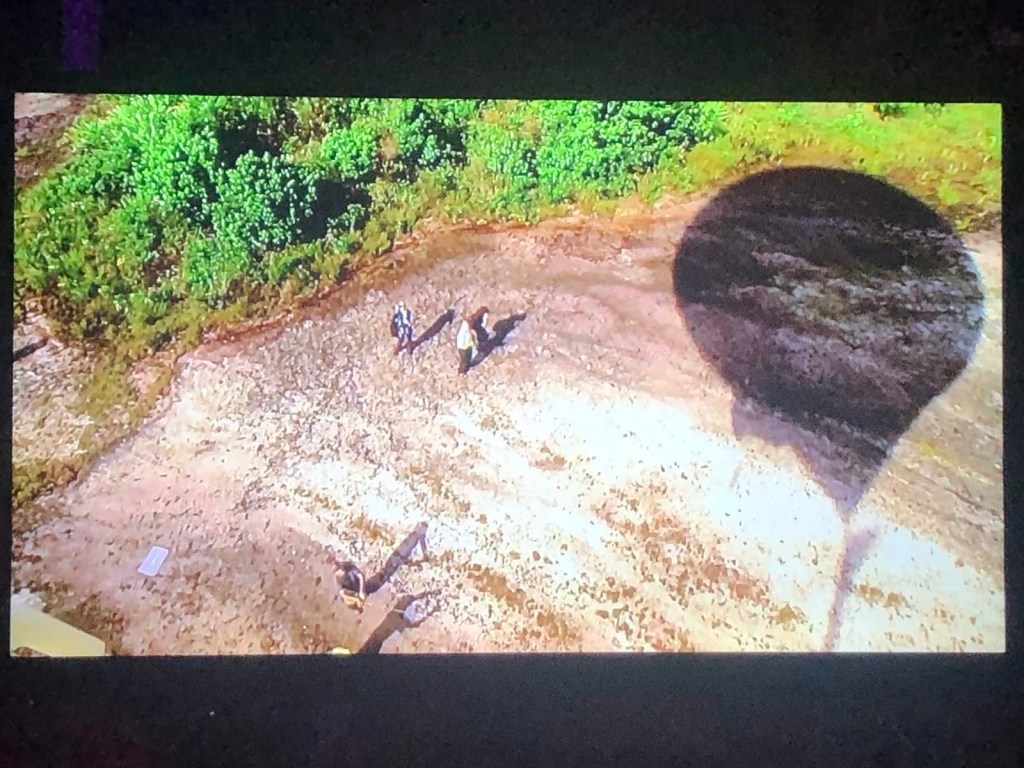
The White Diamond (free on Youtube) is a unique documentary about the building of a non-flammable airship and it’s first flight in Guyana.
Herzog finds the most amazing people and just puts the camera on them, letting them shine in their own way. The two standout characters are the builder of the ship, Dr. Graham Dorrington, and a totally unforgettable local Guyanese man Mark Anthony. The film has a few themes you might expect from Herzog: achieving the seemingly impossible, the chance to peer into an abyss, transcendence in meeting one’s fervently sought goal.
Unexpectedly there’s a running theme of grief and loss. It reminds me of the scene in The Dark Glow of the Mountains where out of nowhere Herzog is interviewing one of the mountaineers, who totally spontaneously breaks down sharing the story of his brother who died climbing a mountain, and how the mountaineer had to tell their mother. It’s an incredibly unexpected and one that takes the film to a whole new deeply profound level. Grief, running through our thousands of years of our human story keeps us connected to a cycle of remembrance and achieving our goals in honor of our dearly departed.

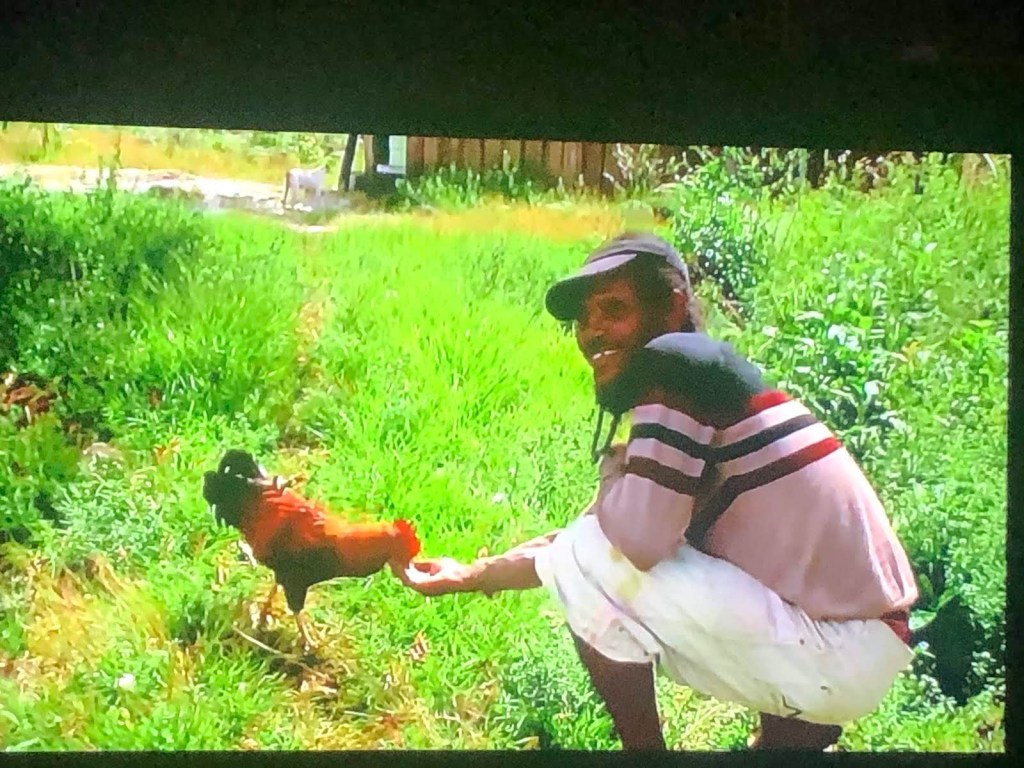

This is yet another film where Herzog finds and films chickens, which at first thought I can think that he films ostriches in “My Son, My Son,” and hypnotizes a chicken in “Signs of Life.”
This is not an easy subject to witness, and Herzog offers the images and stories with care and generosity and complexity. These children are both adorable but hard, and they leave a deep impression. All of the children here have been through countless horrors. Most have seen their families killed, saying the Sandanistas killed their families for fun. The scene that will break you, is when the children say they are braver than the adults in battle.
As an accompaniment to this film, recommended to watch Las Sandanistas!, a documentary about the revolutionary women in the post-dictatorship war and new government.
Herzog has this amazing way of condemning that which is objectively morally wrong, but not taking a side in a debate about an international conflict. I find that the more history I know, the fewer generalizations I can make – except to be against all wars.
For further reading:
About the Nicaraguan Revolution
Open Veins of Latin America, Eduardo Galeano
Death of Somoza, Claribel Alegria and Darwin Flakoll
I’ve seen this referred to as Herzog’s best documentary. I can see why – it’s moving, gorgeous, simple, and loving. Also incredibly tactile as one might imagine, most scenes of these women who are deaf and blind, have their hands outstretched with a companion signing and translating letters into their hands. How does one experience the world, without the main stimuli that we rely on?
With this film, today marks watching my final Herzog film that was available for free on Tubi! Tubi has ads, but I kind of like them, it fulfills some sort of nostalgia for “real tv,” with ad breaks every 20-30 minutes. I ❤ Tubi btw, quine a phenomenal and random catalogue!
Juliane Koepcke survived a plane crash and 11 days walking in the jungle from the wreck to safety.
Herzog takes us back to the scene of the original events, a stage for raw emotion and profound feeling. Retracing steps is also in following Dieter Dengler in Little Dieter Needs to Fly, or following Michael Godsmith in Echoes of a Somber Empire, (and even in The Act of Killing which Herzog exec produced). At 17, stricken with grief from losing her mother in the crash as well as the sheer physical trauma of the whole event. What power is stored in the body of a person retracing their steps? It is striking when coming to a certain riverbend, Juliane knows the exact spot from memory, even though she had never been back. It is incredible watching the waves of memory wash over her. Note on the featured image, it is of Juliane and Herzog finding part of the plane in the jungle. Worth watching!
Herzog manages to point out some contradictions of opulence, consumption of religion. However the best part of this film is in the incredible performances. There are dozens of incredible music, dance, contortionists performances. I can’t say anything about it, just get high and watch.
 Herzogian